

The history of Campo Grande dates back to its founding by cattle ranchers from Minas Gerais in search of fertile land and abundant water for grazing. However, the cultural influence in the city was not limited to the miners. Campo Grande is a unique place due to the presence of the second-largest community of Brazilian indigenous peoples, who significantly contribute to the cultural richness of the region. Additionally, the city is also home to a community of Japanese immigrants who arrived in the early 20th century, further enriching the cultural diversity and contributing to the unique identity of Campo Grande.
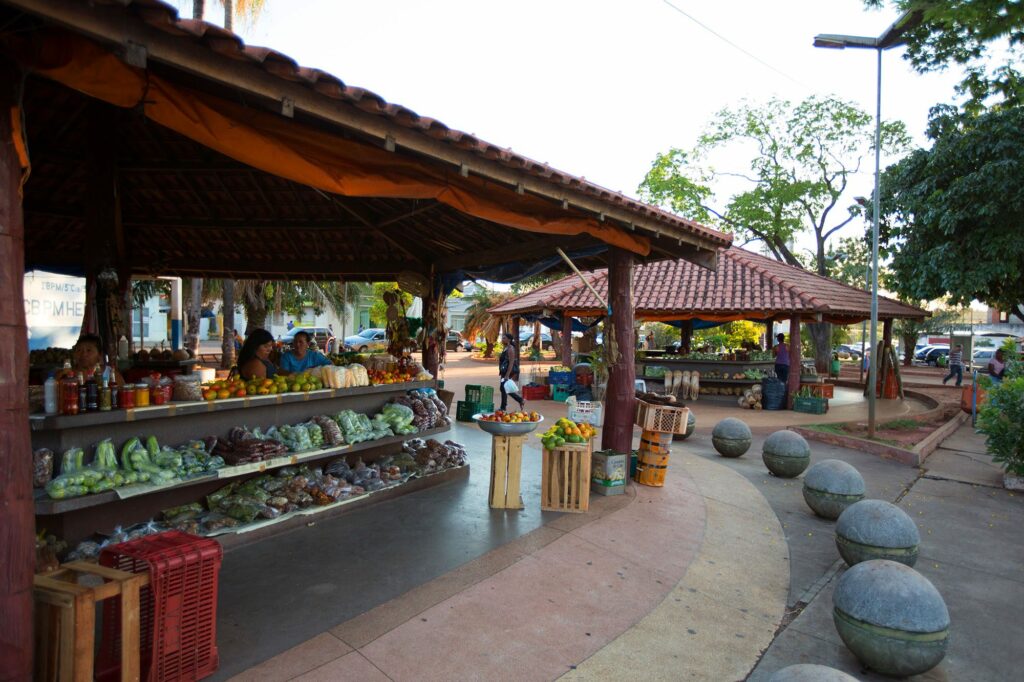
The result of this blend is prominently showcased in its cuisine. In iconic places like the Central Market, you’ll have the opportunity to savor a variety of delicacies, such as tereré (a refreshing iced mate tea, usually served in cow horn containers), sopa paraguaia (a delicious savory pie made from corn, onion, and cheese), sobá (a flavorful noodle soup with omelette and aromatic herbs), and locro (a comforting soup made with pumpkin, beans, and corn). Additionally, make sure to explore the Antônio Valente Municipal Market, a place where you’ll find a rich variety of regional flavors and stunning handicrafts.
For those who wish to enjoy the tranquility of the countryside without straying too far from the city, Campo Grande offers excellent infrastructure in ranches and farms with day use options. Visitors have the chance to partake in thrilling horseback rides, savor an authentic farm-style breakfast, cool off in crystal-clear rivers, interact with farm animals, and relax in comfortable hammocks.
Indigenous culture holds a significant presence in Campo Grande. The local craftsmanship showcases true works of art, including ceramics, bows and arrows, fans, lace, and embroidery, as well as berrantes (instruments made from cow horns used in livestock farming) and dolls. The Casa do Artesão, a historical and cultural heritage of Mato Grosso do Sul, is the perfect place to find these unique pieces.
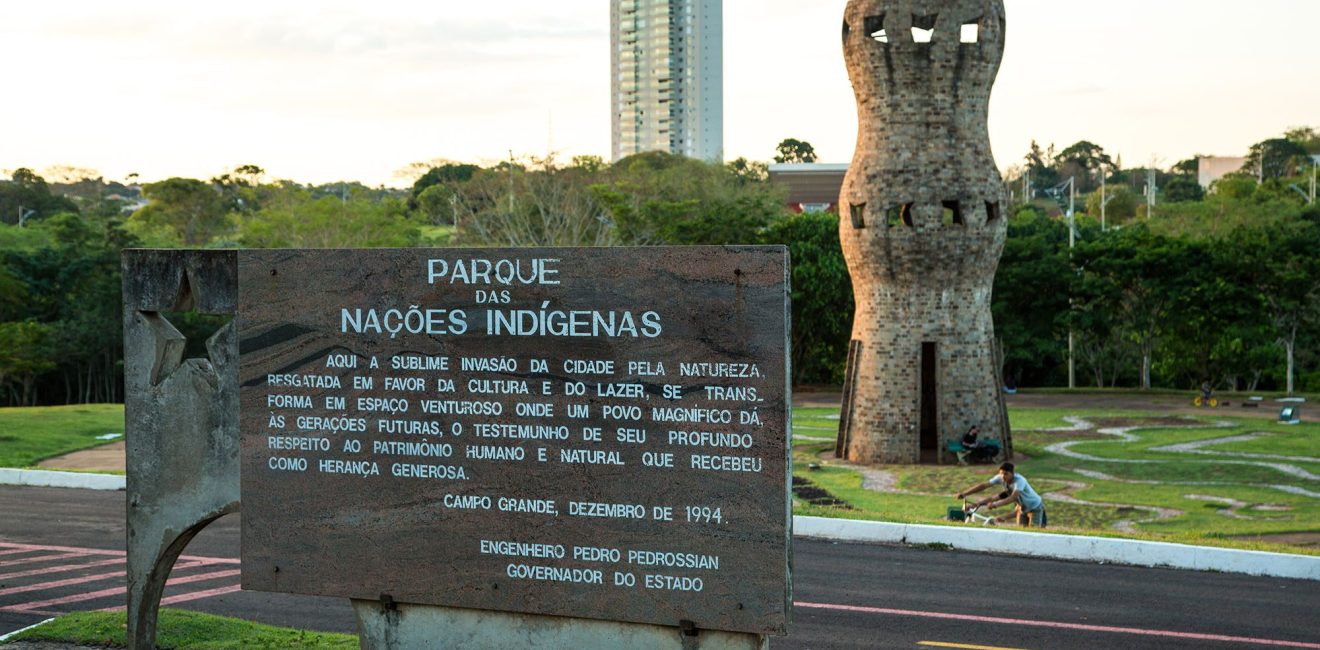
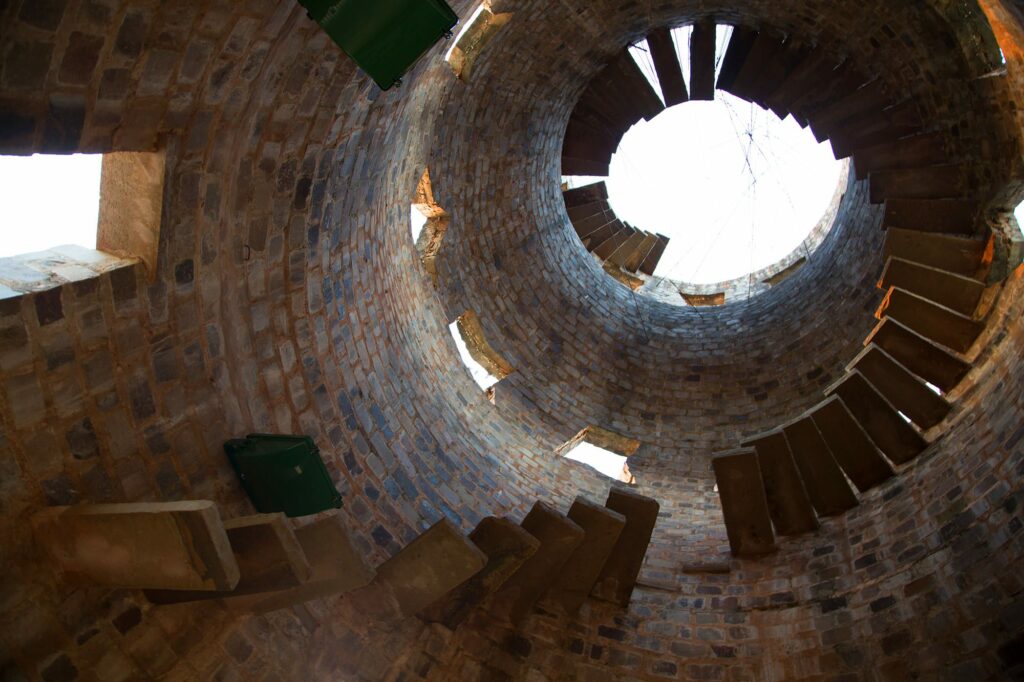
In the city, visitors have the opportunity to visit an indigenous village in the heart of the urban environment. This place is the Memorial of Indigenous Culture, a space for the sale of indigenous products and home to over 100 indigenous families. Furthermore, the Parque das Nações Indígenas is a space that deeply values this community and houses the Monument to the Indigenous People, the Museum of Contemporary Art, and the Museum of Dom Bosco Cultures. Don’t forget to visit the Church of São Francisco de Assis, whose stained glass windows tell the story of Saint Francis.
Campo Grande, affectionately known as “the brown city” due to the red hue of its soil, is eager to show you how captivating it can be.

By Plane
+55 (67) 3363-3116
Campo Grande International Airport welcomes direct domestic flights from major Brazilian capitals and connections to international flights.
By Bus
+55 (67) 4042-1313
Campo Grande Bus Terminal serves both intermunicipal and interstate bus routes.
By Bus
Campo Grande has several bus lines that cover the entire city. To track the routes, simply visit the website with the lines operated by the Guaicurus Consortium, responsible for transportation.
Personal Vehicles or Rentals
You can rent a car to explore Campo Grande and visit nearby destinations in Mato Grosso do Sul.
Taxis and Ridesharing Companies
Taking a taxi or using ride-sharing apps is one of the convenient options for getting around the city.
Tourist Info Center – Airport:
+55 (67) 3363 – 3116
Tourist Info Center:
0800 647 6050
Military Police: 190
Paramedics: 192
Fire Department: 193
110V
From May to September, during the winter season, temperatures often drop close to zero degrees. During this period, the weather is dry. For the rest of the year, the climate is hot and humid. Please check the date of your trip and bring appropriate clothing for the season.